Discover why small-batch production is smarter for emerging fashion brands. Learn from real-life experiences, avoid unsold inventory, improve fit, and grow sustainably with Fashion Studio No.5.
“I love this design. My friends love it. Everyone says it’s amazing. I’ll produce 500 pieces, mark it up 6x, and finally make real money.”
This thought has crossed almost every designer’s mind at some point. And honestly, I’ve been there too. (Thank God I never ended up producing that many.)
What usually happens next isn’t talked about enough.
Picture this: a small brand orders 200, 300, even 500 pieces of a dress or a shirt they absolutely love. The samples look perfect. The idea feels strong. Friends, family, even Instagram followers say, “I would totally buy this.”
Production is done. Boxes arrive. The excitement is real. Then reality sets in.
Sales are slower than expected, not because the product is bad, but because small brands have small audiences. Limited traffic. Limited brand awareness. Limited trust at the beginning.
Suddenly, hundreds of dresses or shirts are sitting in storage. Cash is tied up. New designs can’t be developed because the focus is on selling what’s already there. And one year later… you can’t even look at that dress anymore. You once loved it. Now you hate it. I know this feeling.
Sometimes the issues aren’t obvious at first. A customer might love the design but say, “It would be better if it were longer,” or “It’s a little tight,” or “The fabric pills after washing.” One customer? Fine. Ten customers? That means changes are needed, but not for this batch. You have to sell it the way it is.
And trends move fast. You might have ordered 300 skirts in teal only to find that two years later, that color is outdated. Or produced 200 tennis-core skirts last year that simply don’t sell now.
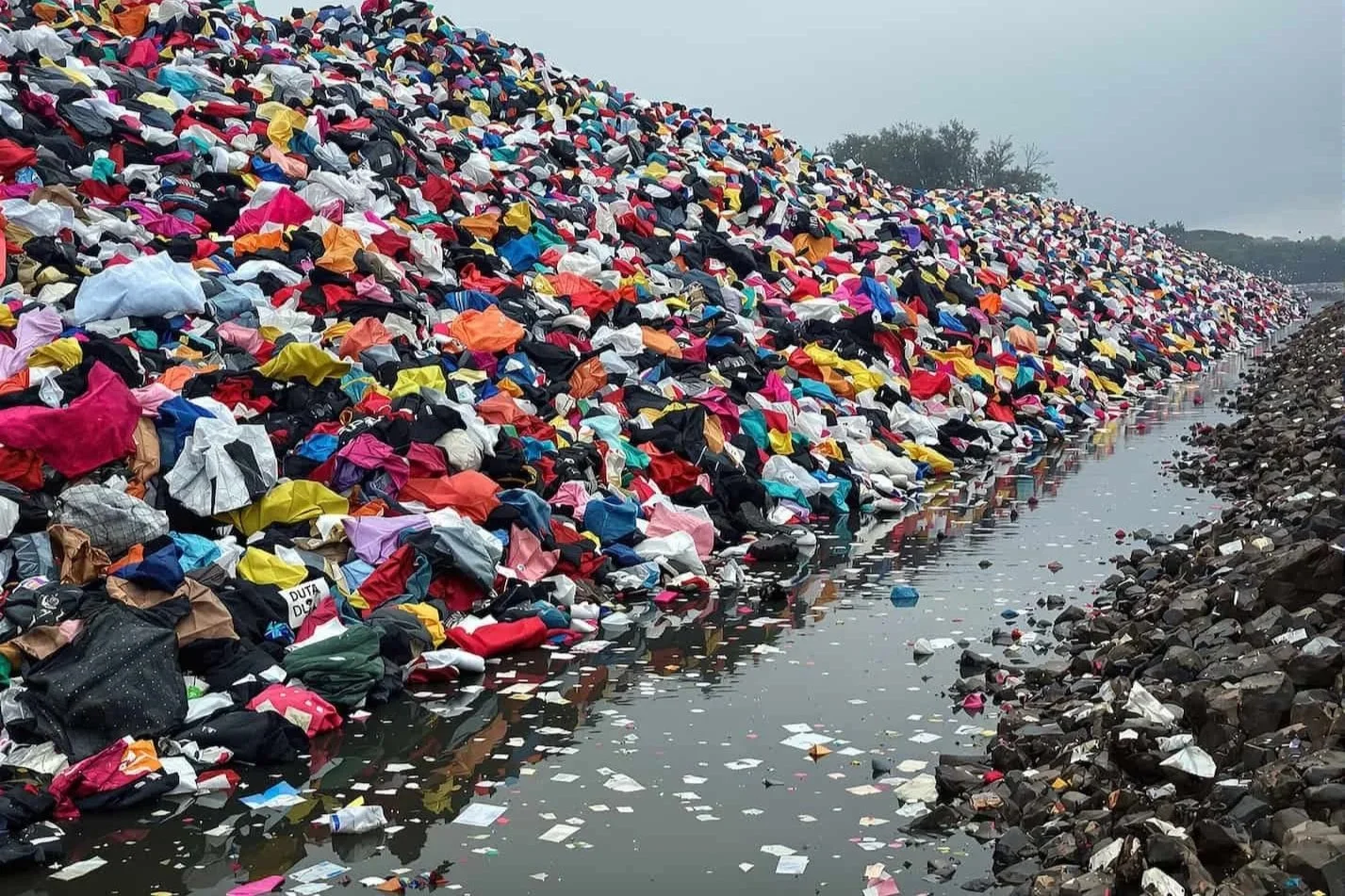
According to industry research, the fashion industry produces between 80 billion and 150 billion garments every year, yet up to 40% remain unsold, ending up in markdown bins, landfills, or incinerated.
This is why small-batch production isn’t about playing it safe, it’s about playing it smart. It’s about being sustainable.
Small-batch production usually means producing 20 - 100 units per style (sometimes more or less, depending on complexity), using local or small-scale manufacturing, with hands-on involvement in quality and fit, and room to adjust and improve.
At Fashion Studio No.5, we often recommend starting this way, even for brands that eventually want to scale big. Why? Because early-stage brands are still learning. You’re learning the industry, your customer, your product, your fabrics and trims, and your production partner.
Yes, mass production gives you a lower cost per unit. But here’s the real question: can you afford to sit on 300 unsold pieces?
Small-batch production comes with a higher unit cost, but you are in more control and reduces inventory stress. Mass production may feel tempting with lower unit costs, but it often requires large deposits, bulk payments, and freezes your cash in inventory. For small brands, cash flow is oxygen. Once it’s gone, growth stops.
At Fashion Studio No.5, we work differently. We don’t charge in bulk. We charge one step at a time. It’s a win-win: we cover our expenses, and our clients can invest in steps rather than committing a huge sum upfront. And if you change your mind during product development, you can pause, adjust, or return later, without making a massive investment.
If you’re a small brand, your sales volume will naturally be lower, and that’s normal. You’re still building brand awareness, trust, traffic, and customer loyalty. Producing like a big brand before you sell like one is one of the fastest ways to burn out, financially and emotionally. And trust me, emotional burnout is worse than financial.
Small-batch production gives you the freedom to improve fit after real customer feedback, adjust details and finishes, and learn what your customers actually buy, not just what they say they love. Once you commit to mass production, those lessons become very expensive. When you’re stuck with large quantities, excitement fades, creativity stalls, and the pressure to sell becomes overwhelming. Fashion should evolve. Your production strategy should allow that, not trap you.
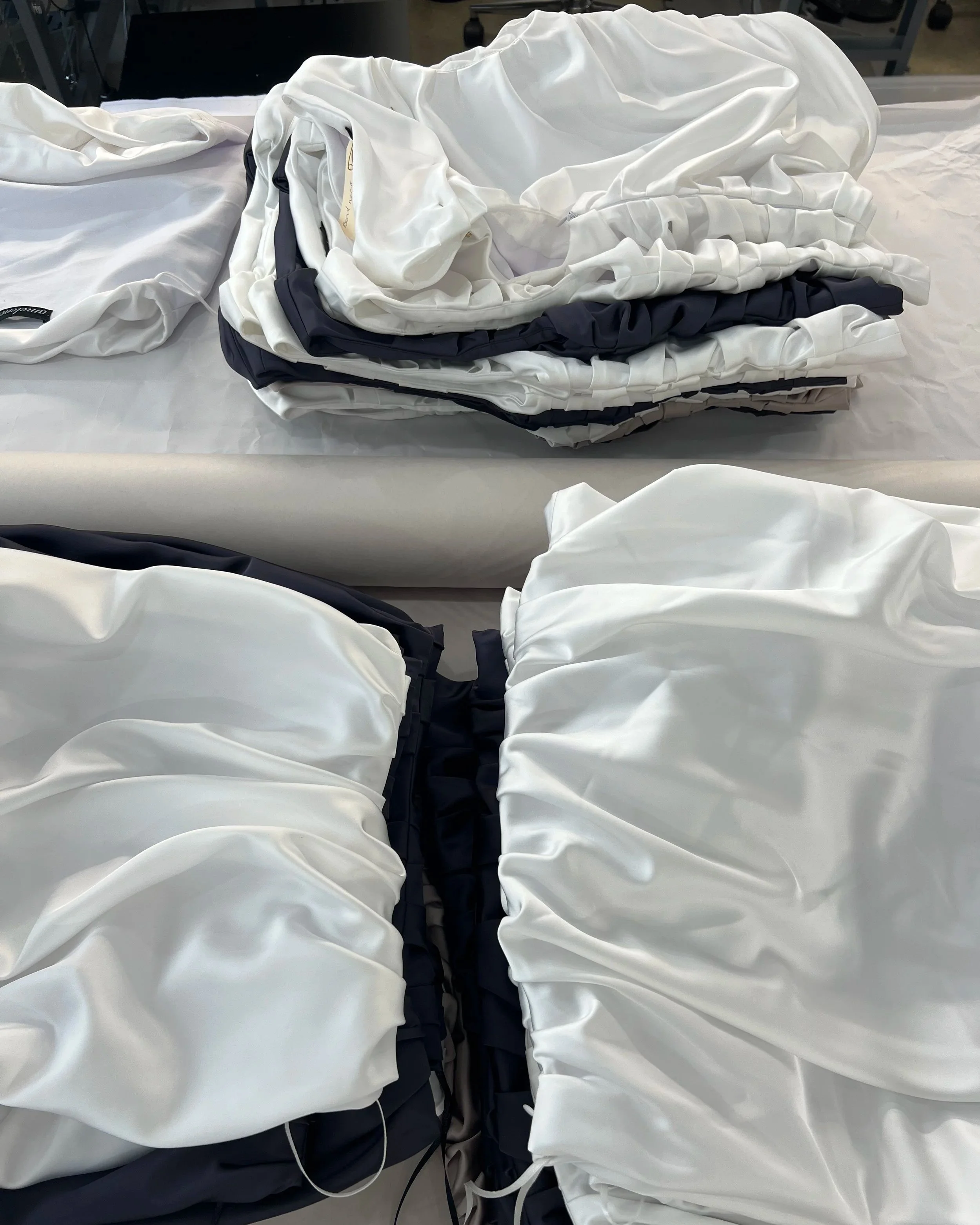
Small-batch production makes the most sense if you’re launching a new brand, testing your first styles, unsure about demand, need flexibility, or want to grow intentionally.
This is why most brands we work with at Fashion Studio No.5 start small, even when they could produce more.
Mass production becomes powerful only when the timing is right after proven bestsellers, consistent sales data, finalized sizing and patterns, and stable cash flow. Scaling works best when it’s earned, not rushed.
The most sustainable growth path looks like this: start with small-batch production, sell, test, learn, improve fit and construction, reorder bestsellers, and then scale selected styles. Not everything needs to grow at once.
Loving your design isn’t enough. Your friends loving it isn’t enough. Production decisions should be based on where your brand is today, not where you hope it will be tomorrow. Small-batch production gives you space to learn, room to adjust, protection from costly mistakes, and the freedom to grow without pressure.
At Fashion Studio No.5, we help emerging brands navigate this stage through product development, pattern making, sampling, grading, and small to mid-scale production, with the ability to scale up when the time is right. Because growing slowly doesn’t mean thinking small. It means thinking long-term.
Love, Rodica