Who Made Your Clothes? A Question That Matters
You may have seen the hashtags #WhoMadeMyClothes or #IMadeYourClothes on social media. These simple phrases carry a powerful message about transparency in the fashion industry and about the people behind the garments we wear.
The movement gained global attention after the tragic Rana Plaza factory collapse in Bangladesh on April 24, 2013. The building housed several garment factories and collapsed suddenly, resulting in the loss of more than 1,100 lives and injuring thousands more. Most of the victims were garment workers, many of them women.
This disaster forced the fashion industry and consumers to confront an uncomfortable reality: many garments are produced in environments where workers have little protection, extremely low wages, and unsafe conditions.
When “cheap” fashion comes at a real human cost
Over the years, there have been many cases that exposed how fragile and unfair global fashion supply chains can be.
In the Boohoo scandal (UK, 2020), an investigation revealed that garment workers in Leicester were being paid far below minimum wage and working in unsafe conditions while producing clothing for a major online fashion brand. The findings shocked the industry, not because it was unheard of, but because it was so visible and recent.
In Italy (2023–2024 investigations), authorities uncovered subcontracting chains involving luxury supply networks where workshops, often run by migrant workers, were allegedly operating under extreme pressure, long hours, and low pay to meet tight deadlines for high-end production. Even when brands did not directly employ these workers, the investigations raised difficult questions about responsibility within layered production systems.
These cases show a recurring pattern in fashion: when production is outsourced across multiple layers, accountability often becomes blurred.
It is not only a “fast fashion” problem
Even luxury fashion has faced scrutiny. Large global brands have repeatedly been questioned about subcontracting practices and whether their production chains always reflect the standards they publicly promote.
The issue is not limited to one segment of the industry. It is a structural problem that appears whenever speed, price pressure, and outsourcing meet.
The reality behind “cheap” garments
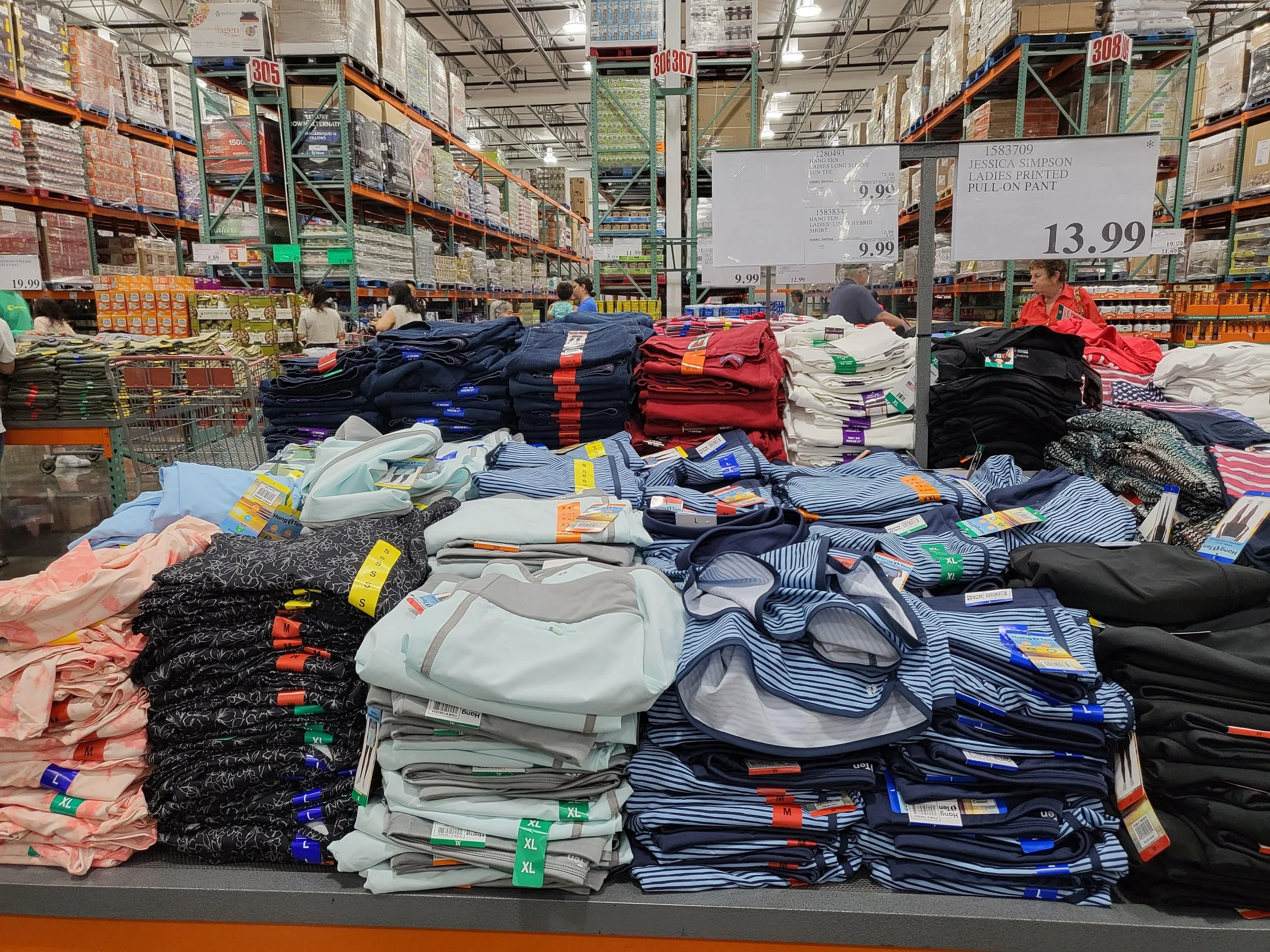
Every time I see an extremely cheap garment, something in me reacts.
A $10 hoodie at a store like Costco or similar mass retailers is not just “a good deal.” I know how long it takes to make a hoodie. I know the cost of fabric, thread, trims, labor, and time. My first thought is always the same: how much did the people who made this actually get paid?
Because somewhere in that price, someone’s time has been compressed, undervalued, or hidden.
Once, I received an email from a company in Bangladesh. They had overproduced 38,000 pairs of cargo shorts and were trying to sell them at around $5 per piece.
The shorts were extremely complex: multiple panels, several pockets, each one with zippers and detailed construction. When I looked at them, my heart honestly sank. Not because they were so cheap, but because I could immediately imagine the amount of work behind each piece, and how little that work must have been valued for them to end up in that situation.
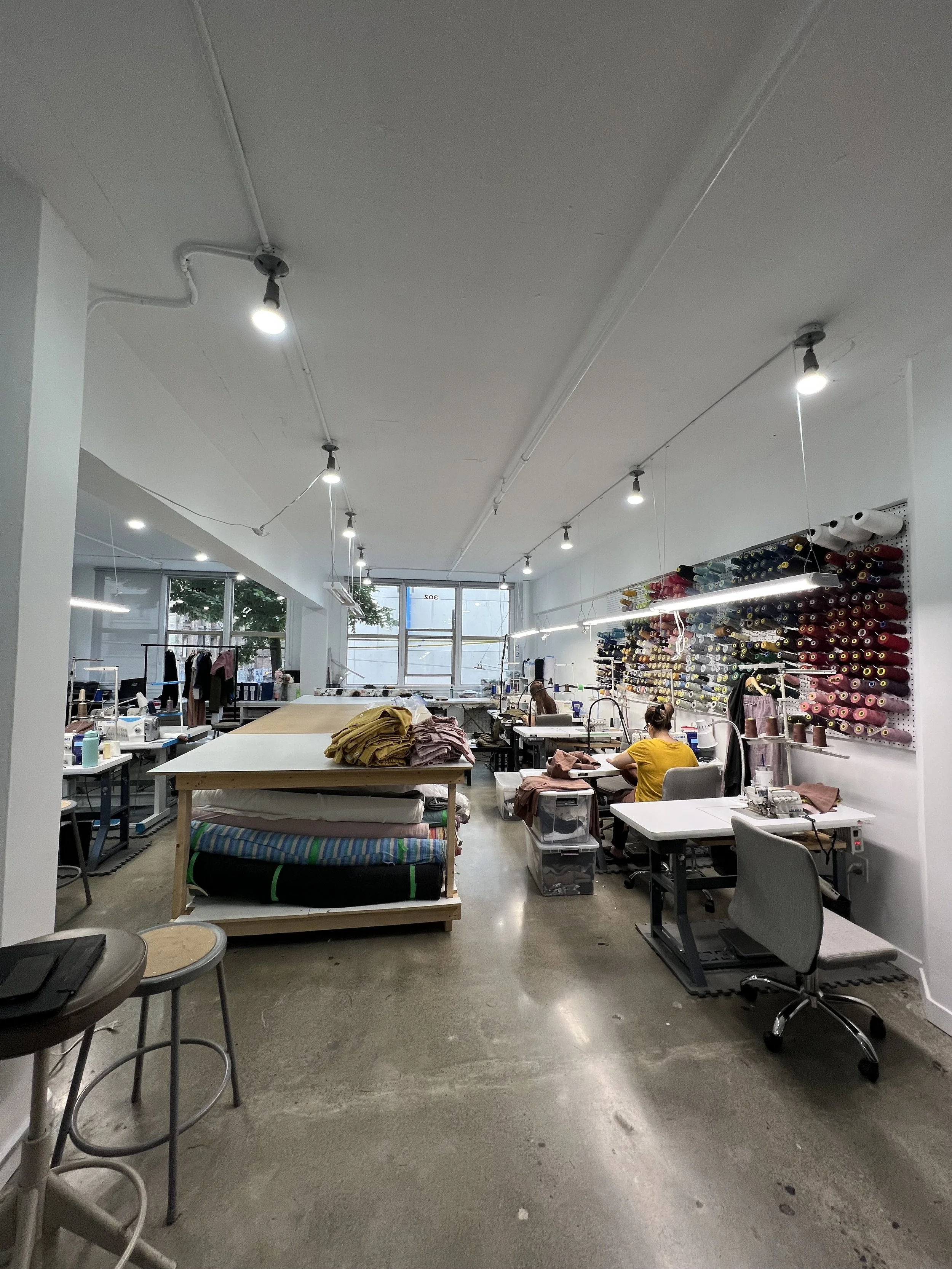
Sustainability is not only about fabric!
When potential clients talk to us about sustainability, the conversation often focuses on organic cotton, recycled fabrics, or eco-friendly materials. Those choices absolutely matter.
But sustainability is also about people.
It is about whether the people making the garments are paid fairly, whether they work in safe environments, and whether their skills and time are respected.
A truly sustainable brand does not only think about materials, it thinks about the entire system behind the garment, including the human hands that construct it.
What we see in a local studio environment…
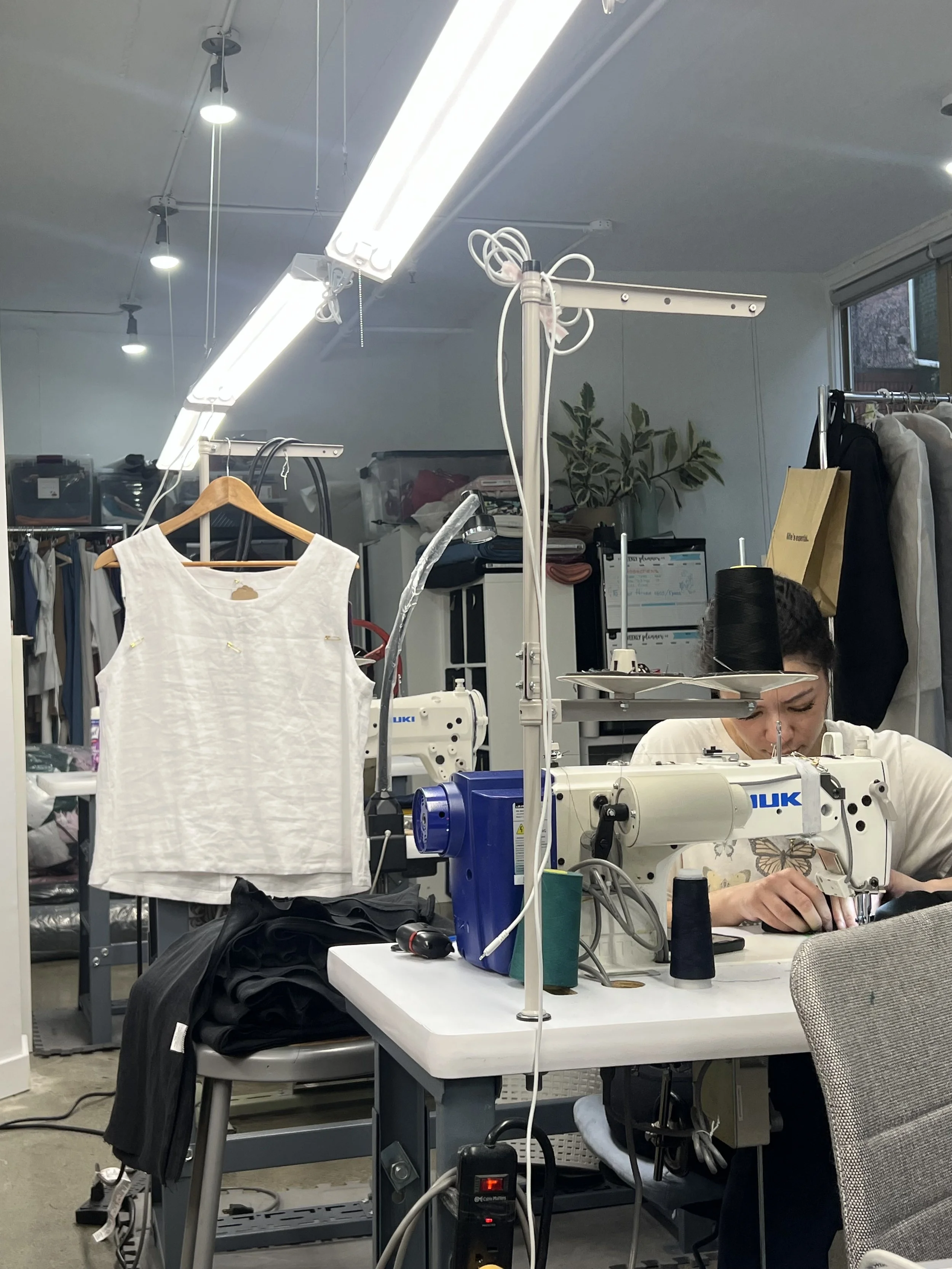
As the founder of Fashion Studio No.5, I see a very different side of the industry every day.
We work with independent designers and small brands to develop and produce garments locally in Canada. From pattern making and sampling to small production runs, everything is created in our studio where designers are welcome to visit, collaborate, and see the process firsthand.
The designers who work with us know exactly where their garments are made, who is making them, and under what conditions. They can walk into the studio, see the machines, meet the people, and understand the work behind every piece.
Many times we are asked to provide certifications that are typically required from large overseas factories. As a small local facility, we do not hold those types of certifications. However, transparency is at the core of how we operate. Our clients are always welcome to visit, observe the process, and be part of the making.
Why transparency matters?
In large global supply chains, designers are often separated from production by thousands of kilometers and multiple layers of subcontractors. This distance can make it difficult to fully understand how garments are being made.
In a small studio environment, it is different.
Communication is direct. Designers participate in fittings, adjustments, and development. Problems are solved together. And the people doing the work are visible, respected, and part of the creative process.
Ethical production is not only about certifications or labels. It is about relationships, visibility, and respect for craftsmanship.
A question that should stay with us
“Who made my clothes?” is not a marketing slogan. It is a reminder.
A reminder that every garment passes through many hands before it reaches a customer. A reminder that price often hides human labor. And a reminder that fashion is not only about design, it is about people.
When production is transparent, it builds trust.
Designers know their collections are being produced responsibly. Customers understand what they are supporting. And the people making the garments are recognized as skilled professionals, not invisible labor.
At Fashion Studio No.5, we believe manufacturing should not be hidden behind closed doors. Our studio is a place where designers can see the process, ask questions, and work closely with the people bringing their ideas to life.
Because fashion is not only about creativity and design.
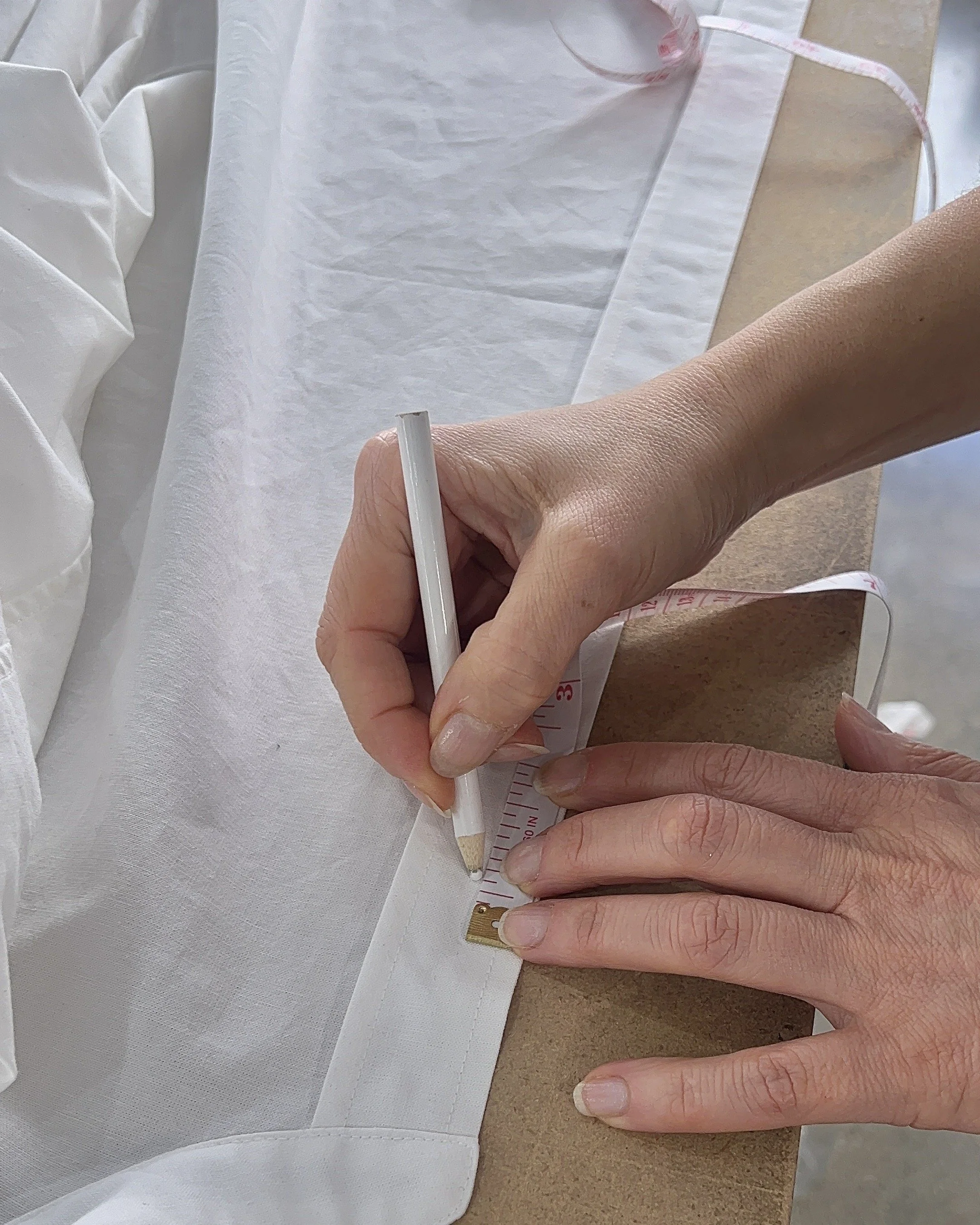
It is also about the hands that make it real.
And those hands deserve to be seen.
Love,
Rodica and Fashion Studio No.5 team