Jill Robertson on giving yourself permission to grow at your own pace.
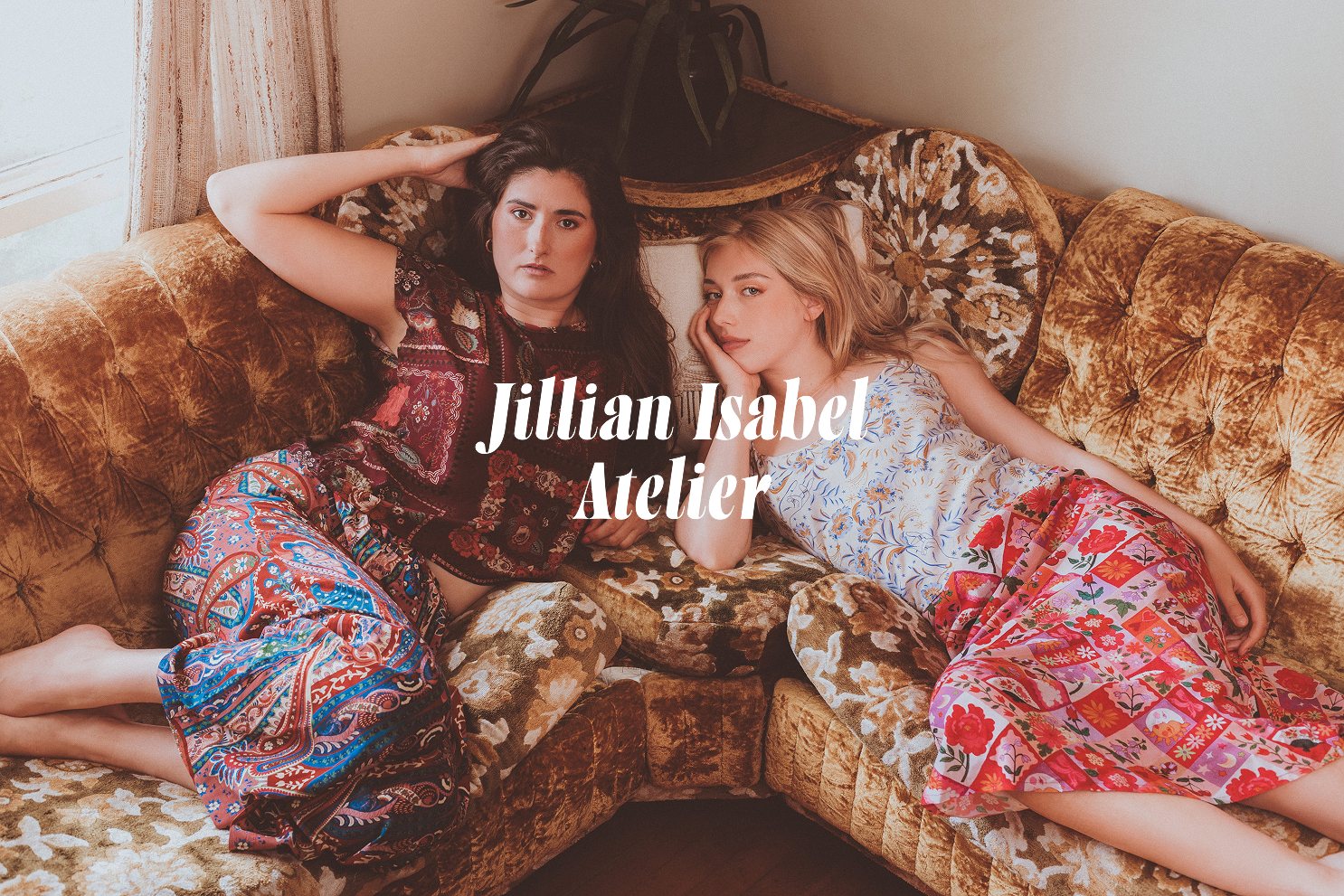
Learning from her journey as a designer, business woman and a mom, Jill Robertson raises awareness around something very important that we forget as creative people.
Everything you create carries a piece of you, sometimes we hide it in the finest details and sometimes the final product itself screams your name. Regardless of the scale, it still carries a piece of you, and sharing that with the world can feel surprisingly personal. Are people going to like it? How will people interact with the brand? How will they exist through people, beyond my control? The questions never end. And when in doubt, comparison becomes your worst enemy.
It's easy to look at successful businesses and admire their influence, but we often don't see the tears and sweat that was put into building the brand. Social media made us believe that brands are built over night when in reality it’s often built on years of trial and error. Jill reminds us that not everybody has the same resources, priorities and circumstances. Understand where your priorities lie and give yourself permission to grow at your own pace. Accept help where it makes the work better.
As a small business, you often get to wear multiple hats and sometimes all of them at the same time. Finding the right help can be challenging. But that doesn’t mean you should carry the whole weight on your own. Because a day is only 24 hours. Our time is limited and energy is sacred. You need to be able to filter through the check lists and opportunities to figure out what deserves or needs your attention first. And recognize small steps that make progress possible.
We think every entrepreneur and creative will find a reminder in Jill Robertson’s interview to be a little kinder to themselves and take things one step at a time.
FS#5: What does your brand stand for beyond the product?
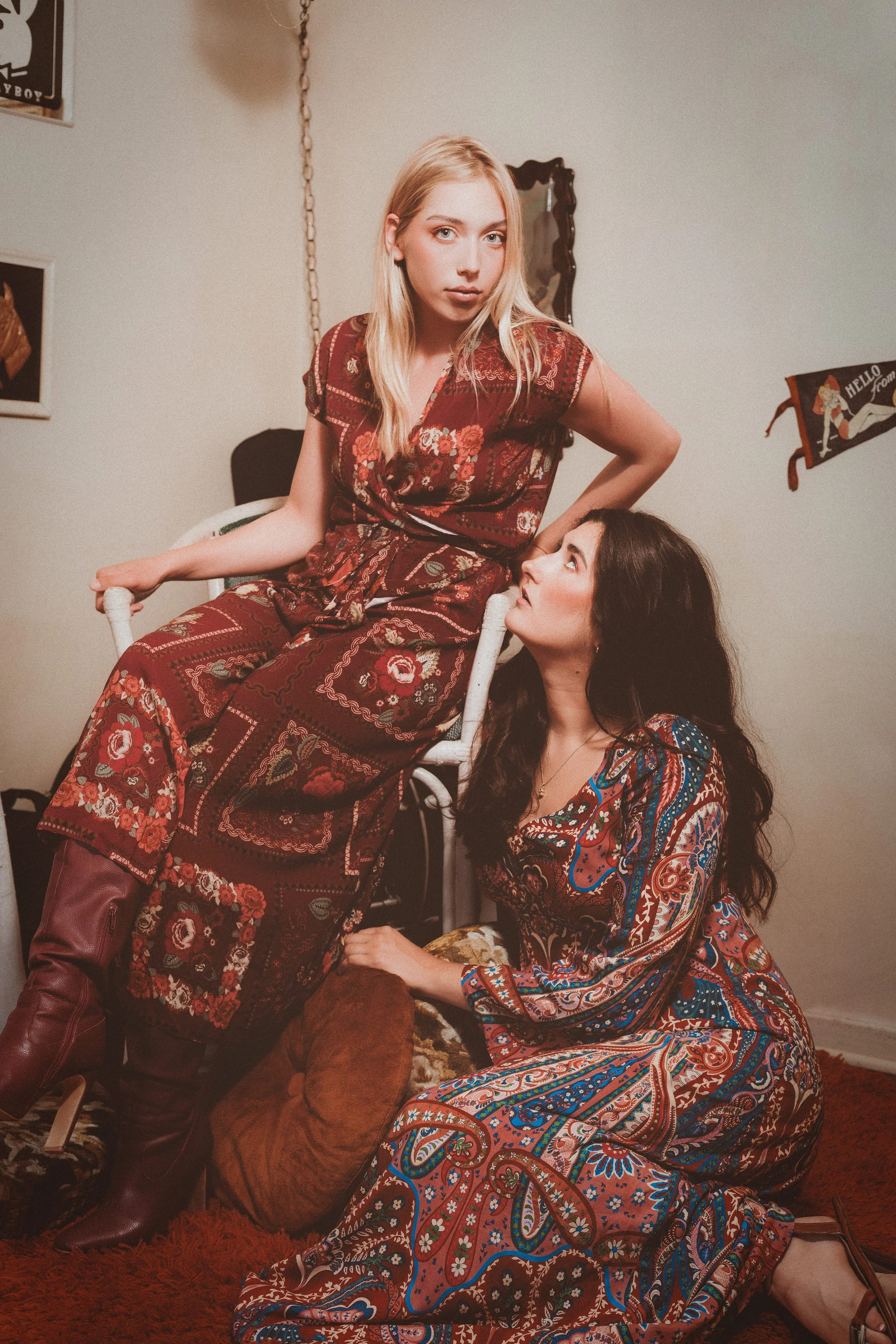
JR: Jillian Isabel stands for comfort and beauty without sacrifice. It’s also about being more intentional with what we make and what we choose to keep. Clothing can be expressive, beautiful, and fun without needing to be endlessly replaced.
FS#5: What's something you wish you knew before starting?
JR: I wish I'd known that building a brand would be as much about learning what not to do as it would be about figuring out what to do. Every new opportunity can feel exciting, but time and energy are limited, particularly when you have two small children who love to play in the studio while you work!
I've become much more aware of the importance of choosing a direction and giving myself permission to focus on it. I don't have to pursue every possibility at once. I can build something slowly, make mistakes, and change my mind along the way.
FS#5: What has building this brand taught you?
JR: It's taught me that creativity and practicality have to coexist. You can have a beautiful idea, but building a sustainable business around it requires patience, problem-solving, and a willingness to do things differently when something isn't working.
It's also taught me a lot about myself. I've learned that I can keep moving forward even when I don't have all the answers, and that progress doesn't always look like a dramatic leap. Sometimes it's a new connection, a better process, or a small decision that makes the next step possible.
FS#5: What has been one of your biggest challenges so far?
JR: The biggest challenge for me is communication. I’m great with the creative side of things, but marketing, client acquisition, and social media have proven to be extremely difficult for me. Talking to customers at an artisan market is one thing, but developing an ad campaign, organizing photoshoots, and making reels is so much more work!
FS#5:What is one or more pieces of advice you would give to someone who is just starting?
JR: Doing everything yourself isn’t always the right choice. But finding the right help can be a challenge too! I think just keeping an open mind when others offer advice or help can be beneficial. You never know what small tidbit of information can grow into something wonderful!
FS#5:Before starting production, what were you most unsure or concerned about?
JR: If anyone would like my designs! I really went in blind, just making what I wanted for myself and hoping others might like it too. I also had, and still have, a hard time with pricing. I want my pieces to be affordable, but I also don’t want to compromise quality, so it’s a constant struggle justifying the cost of everything.
FS#5:What part of the development or production process surprised you the most?
JR: How easy it was to hand the reins over to Fashion Studio No. 5 for production! I have a hard time relinquishing control, even when I know others might be able to do a task better than I can, but I immediately felt at ease with your studio and the quality of my most talked about piece, the Aurora Dress, really speaks for itself.
FS#5:What details ended up mattering more than you expected?
JR: Interacting with the public. I’m quite introverted, and working by myself most days is quite comfortable, but I’ve learned that to succeed and move forward, I really need to interact with my customers on a face-to-face basis. I sell primarily at artisan markets, and the best way to gain brand visibility and to get to know my key customers is to chat with them about my brand. We learn from each other
FS#5: What advice would you give another designer preparing for their first production run?
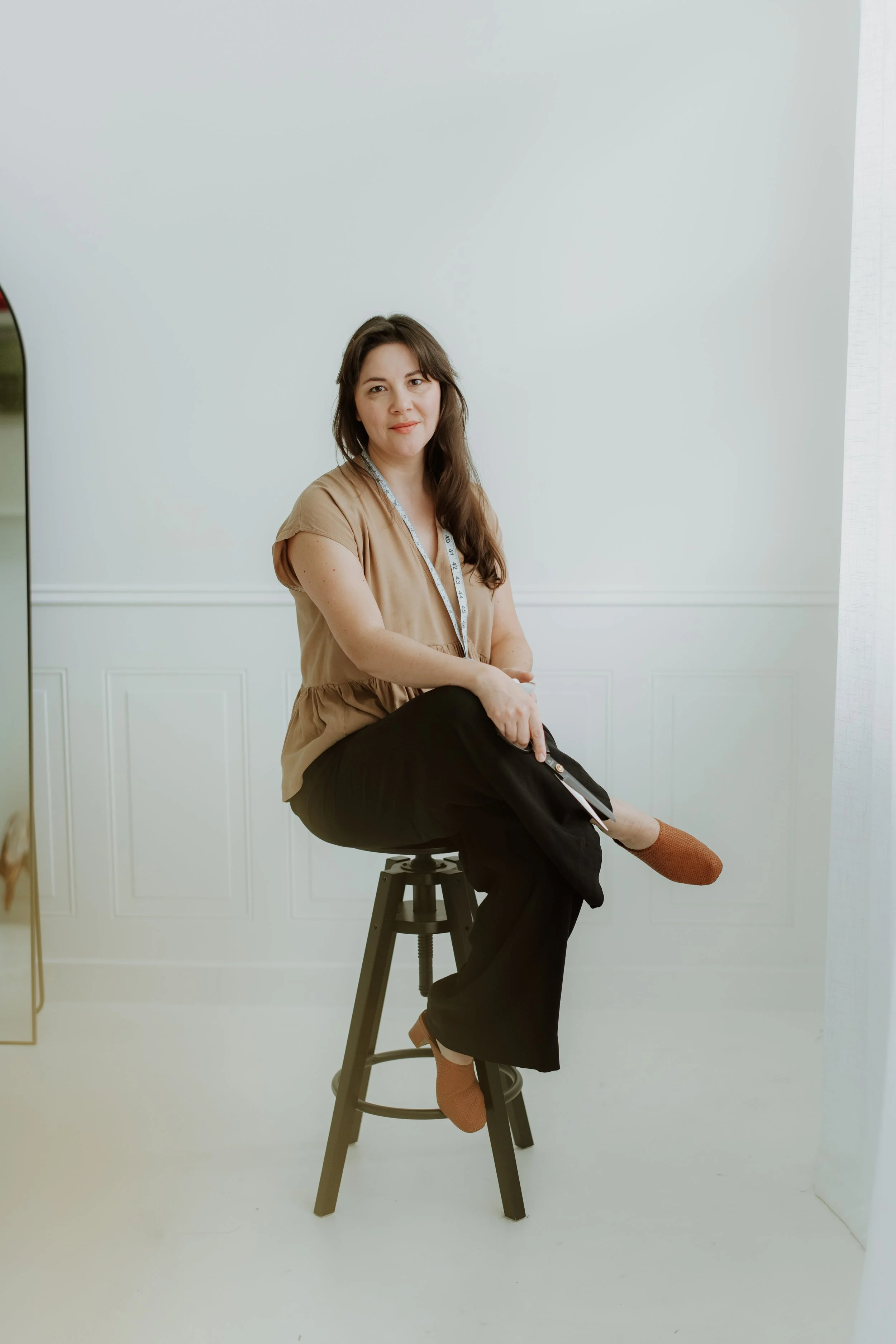
JR: Believe in the ideas you’re creating, but don’t expect to get it right the first time. I’m constantly evolving how I conceptualize each collection, and I very rarely do things the “standard” way. Because I literally do it all (make the designs, sew the samples, draft the patterns, grade each pattern piece, sew the final product, and sell it too!) I don’t always have time to get things perfect the first time. I pay attention when selling at artisan markets, though. I really listen to what the customers have to say regarding fit, fabric choices, sizing, cost, etc. The best thing to do is adapt.
FS#5: Is there anything you would approach differently next time?
JR: I'd probably give myself more permission to grow at my own pace. It's easy to compare your progress with other brands, especially when you see businesses that seem to be moving much faster. But every business has different resources, priorities, and circumstances.
I'm learning to be more deliberate about where I put my time and money, and to focus on building a business that works for my life rather than trying to fit my life around the business.
I'd also invest earlier in systems and processes that make it easier to grow without putting everything on my own shoulders.
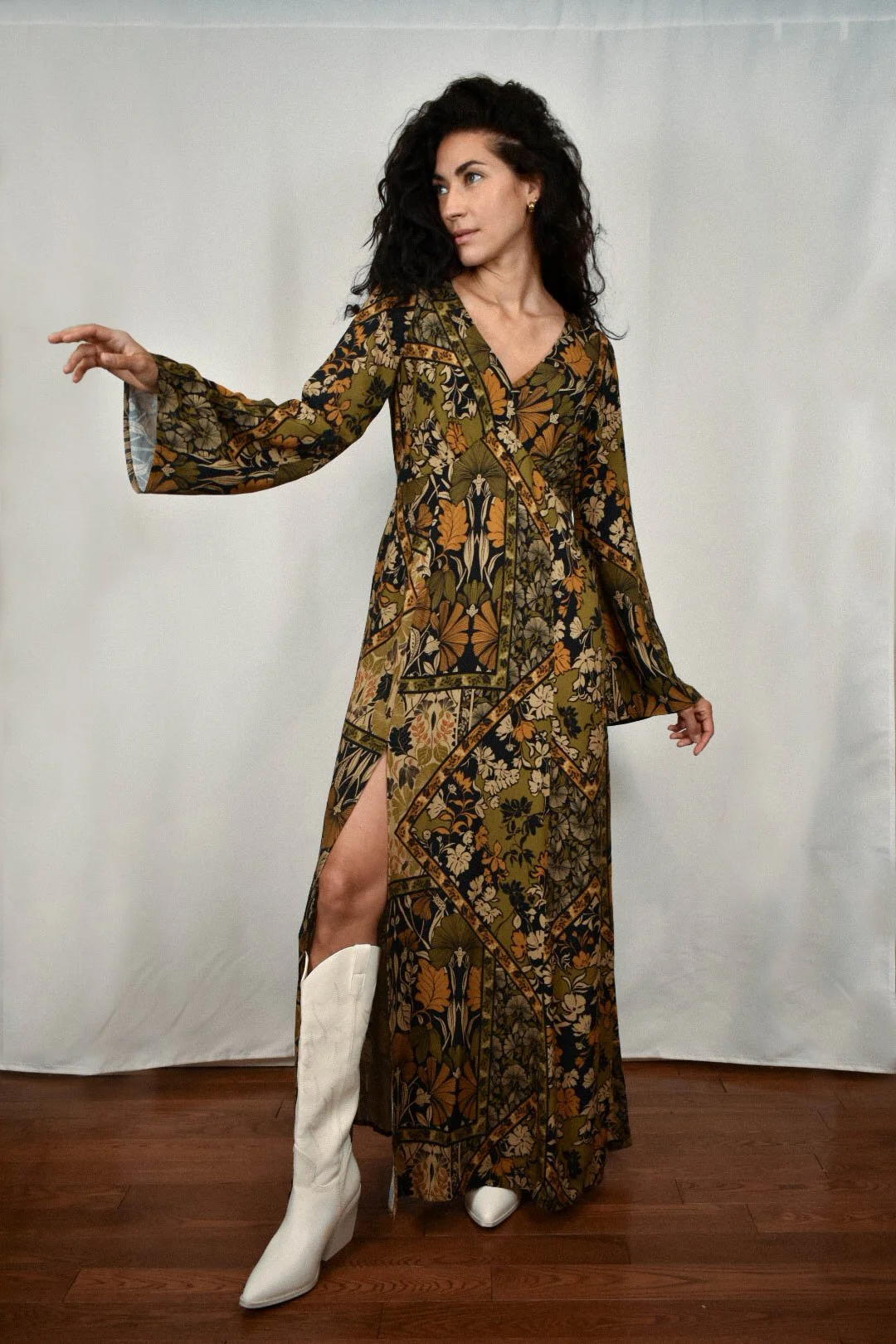
FS#5: Who are you designing for, and how do you hope they feel when they wear your pieces?
JR: I'm designing for women who appreciate the fun side of fashion, but also want quality craftsmanship. My pieces aren’t meant to blend into the background, but to stand out in a sophisticated kind of way.
Jillian Isabel is for those who want their clothing to feel like an extension of their personality. They might be drawn to vintage fashion, interesting prints, or unusual details, but they also want pieces that work in their everyday lives.
Emotionally, I want the clothing to feel expressive. I love the idea of someone finding a piece that feels so distinctly them that it becomes something they reach for again and again.
I hope they feel confident, comfortable, and a little more like themselves when they wear my designs. I want the pieces to feel special without feeling precious — clothing you can wear to an ordinary lunch, a night out, or anywhere in between.
Final Thoughts
Jill’s answers made me think about how much a small next step can change. Sometimes it’s a conversation that helps you figure out what to focus on. Sometimes it’s finding someone you trust to take on a part of the work. If you’re developing a piece or getting ready for production and could use another pair of hands, reach out to us at Fashion Studio No. 5. Tell us what you’re making and where you could use some support. We’d love to hear about it and see how we can work together.