Less is More: Why Emerging Fashion Brands Should Start Small
I am an artist. A fashion designer. My head is constantly flooded with new ideas and designs.
I want this skirt with tabs, a waistband, and flap pockets.
And those dresses with plackets, linings, pockets, darts, and collars. Coats, jackets, pants, T-shirts, blouses, hoodies, dresses…
And hats, because they would look so good with the coats.
If you’re a designer or want to start your own brand, you know this feeling. Your creativity comes all at once, in many ideas at the same time.
This is a pattern I see again and again with new fashion brands and designers.
They try to do everything at once. A full collection. Too many styles. Designs that are too complicated. Too much money on the line.
Most of the time, it becomes overwhelming, expensive, and completely unnecessary.
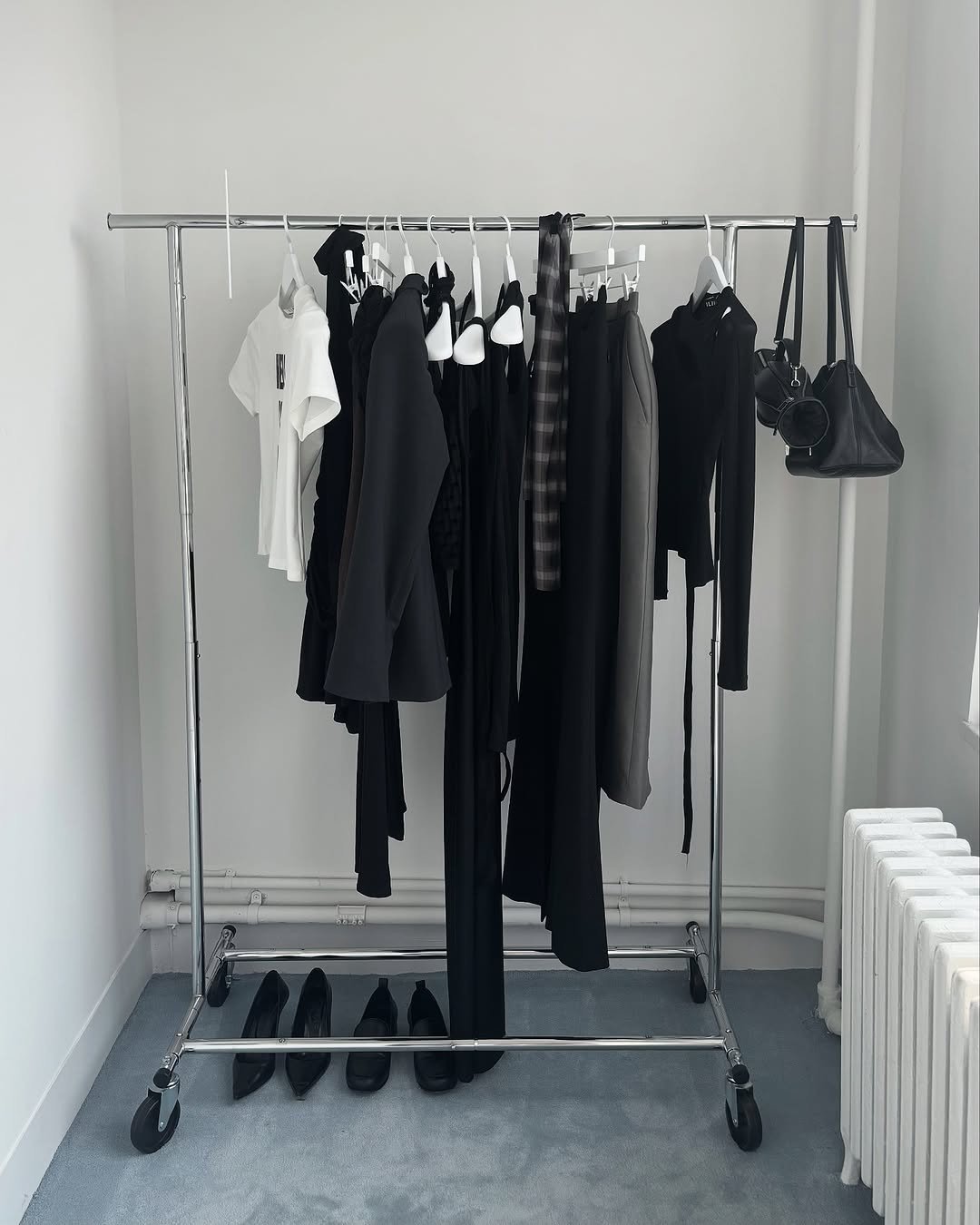
Start Small, On Purpose
Instead of launching a full collection, start with one to five strong styles. Or even better: a mono product. A hero piece. This isn’t about playing small.
It’s about building smart. When you’re at the beginning, your goal isn’t to prove how many things you can design. Your goal is to learn.
Why Starting Small Works:
Launching with a limited offering allows you to:
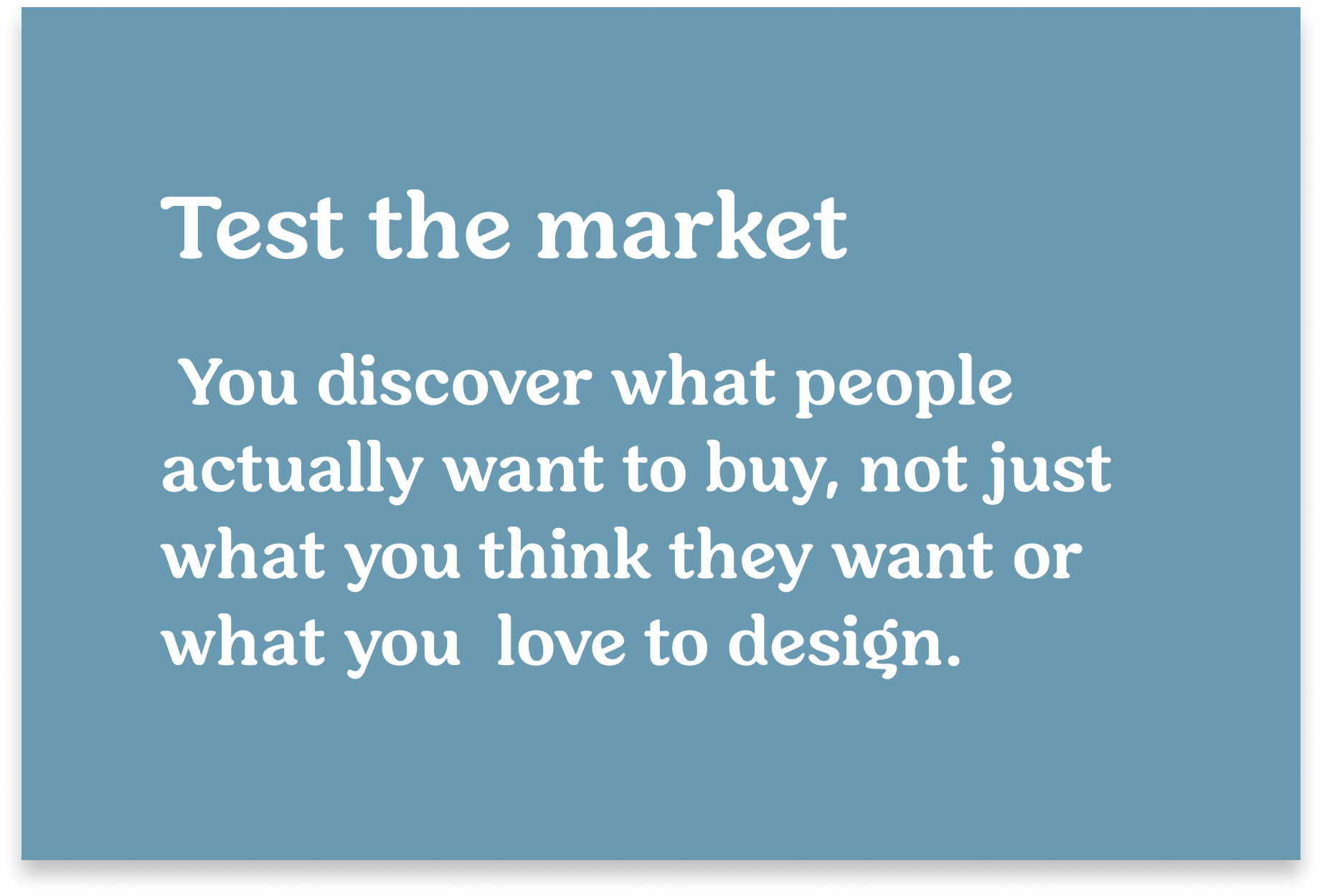
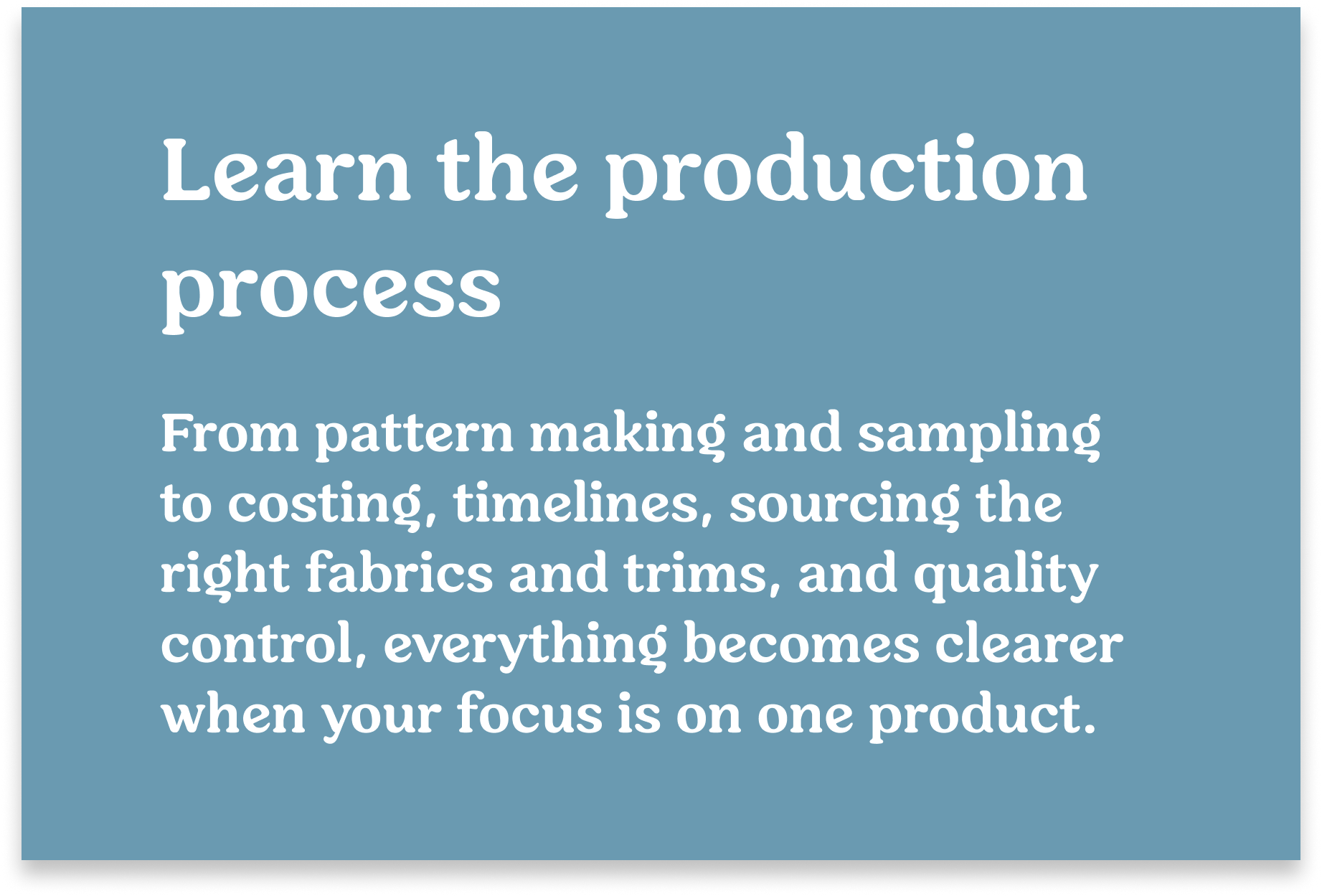
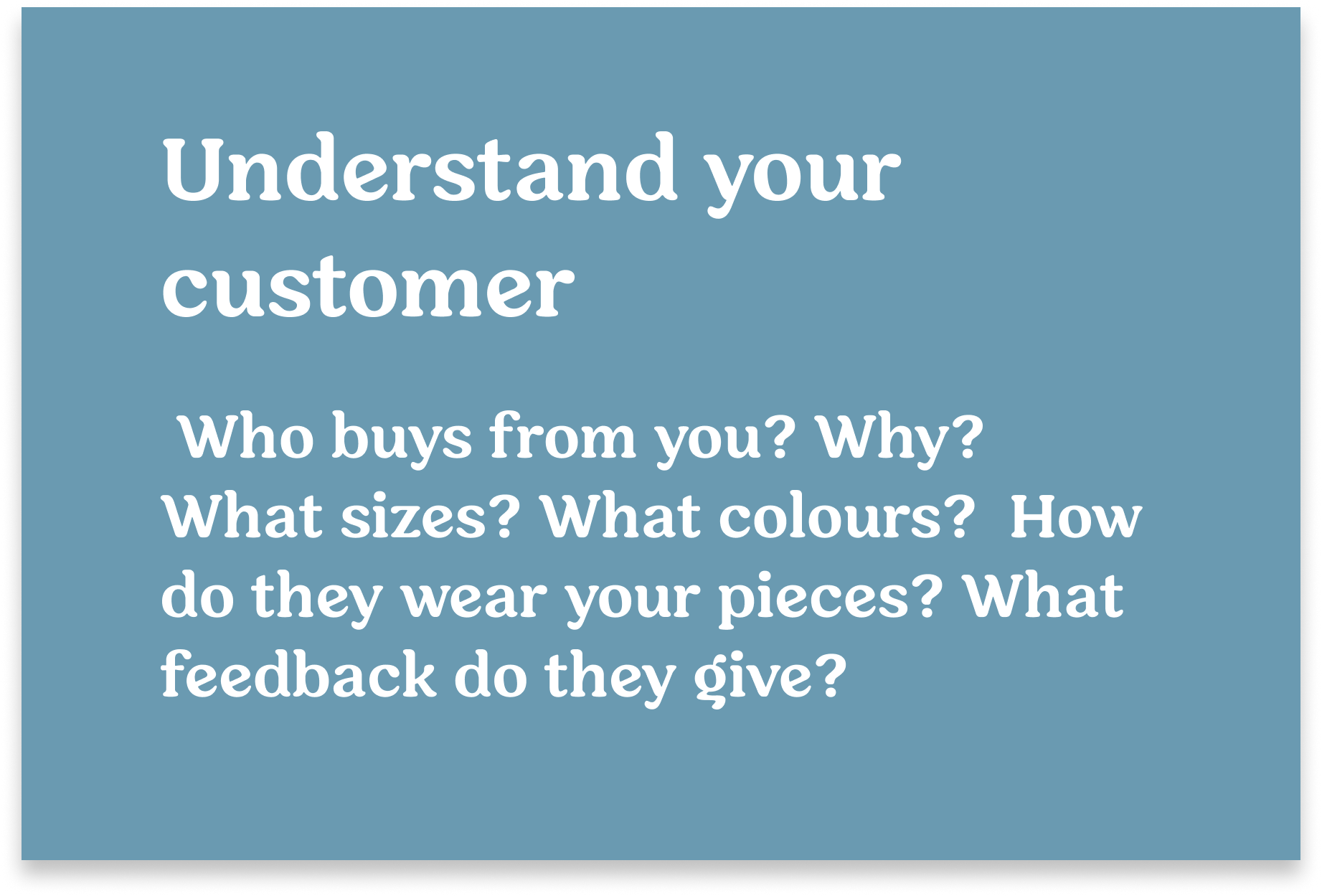
This is how you grow smarter, not just faster.
Growth Comes With Clarity
Over time, of course, you’ll add more pieces.
But you’ll do it with confidence, direction, and intention, not guesswork.
And this approach isn’t new.
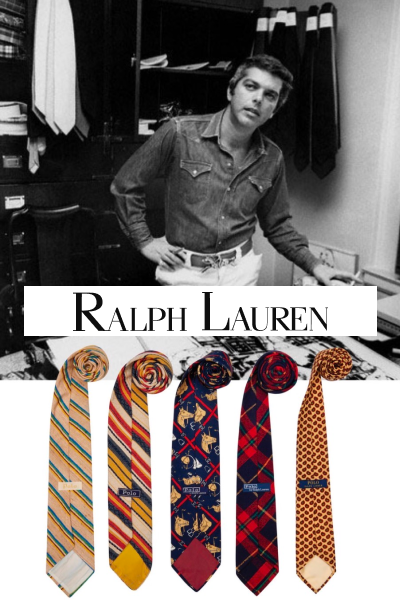
Some of the world’s most iconic brands started with just one idea:
Ralph Lauren: men’s neckties
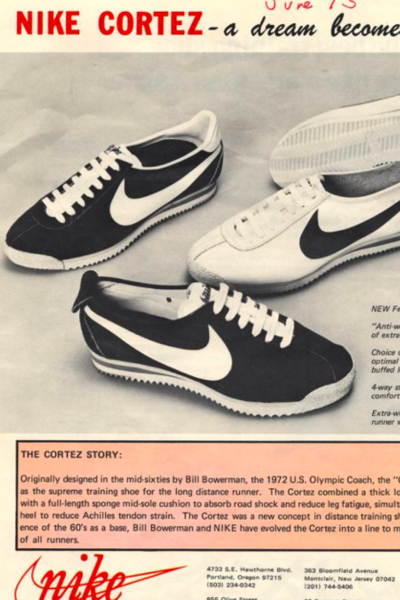
Nike: running shoes
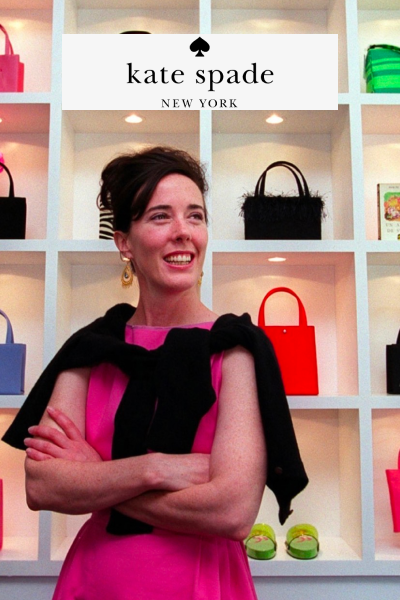
Kate Spade: handbags
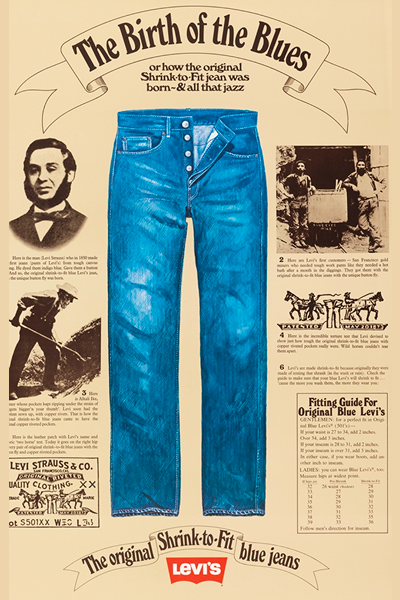
Levi’s: jeans
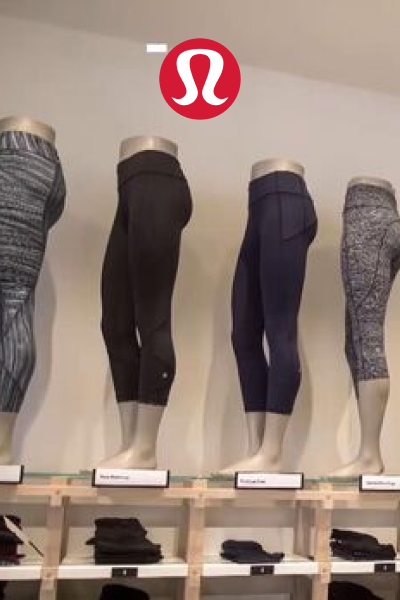
Lululemon: yoga pants
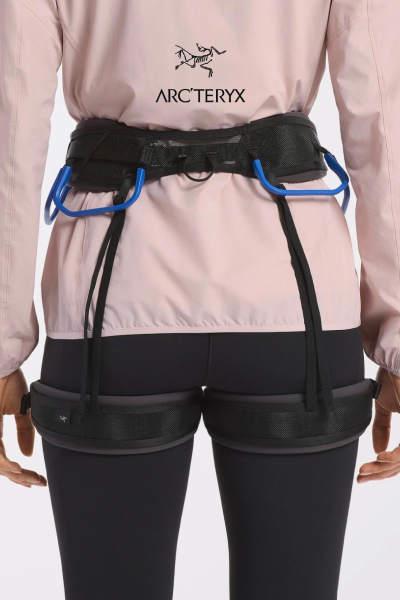
Arc’teryx: climbing harnesses
None of them launched a full collection on day one.
They mastered one product first.
Why I Truly Believe Starting Small Is the Smartest Choice
Here’s my honest opinion, from years of designing, producing, making mistakes, and starting again:
Starting small protects you from yourself, from burnout, and from expensive lessons you don’t need to learn the hard way.
When you launch a full collection too early, you’re not just designing clothes.
You’re managing stress, cash flow, deadlines, suppliers, marketing, logistics, and expectations, all at once. And that weight can quietly kill the joy that made you start in the first place. Creativity needs space. And space comes from focus.
When you work on one product, or a very small group of products, you can slow down enough to really see what you’re doing. You notice details. You improve the fit, the pieces. You understand fabric behavior. You correct small things before they become big, costly problems.
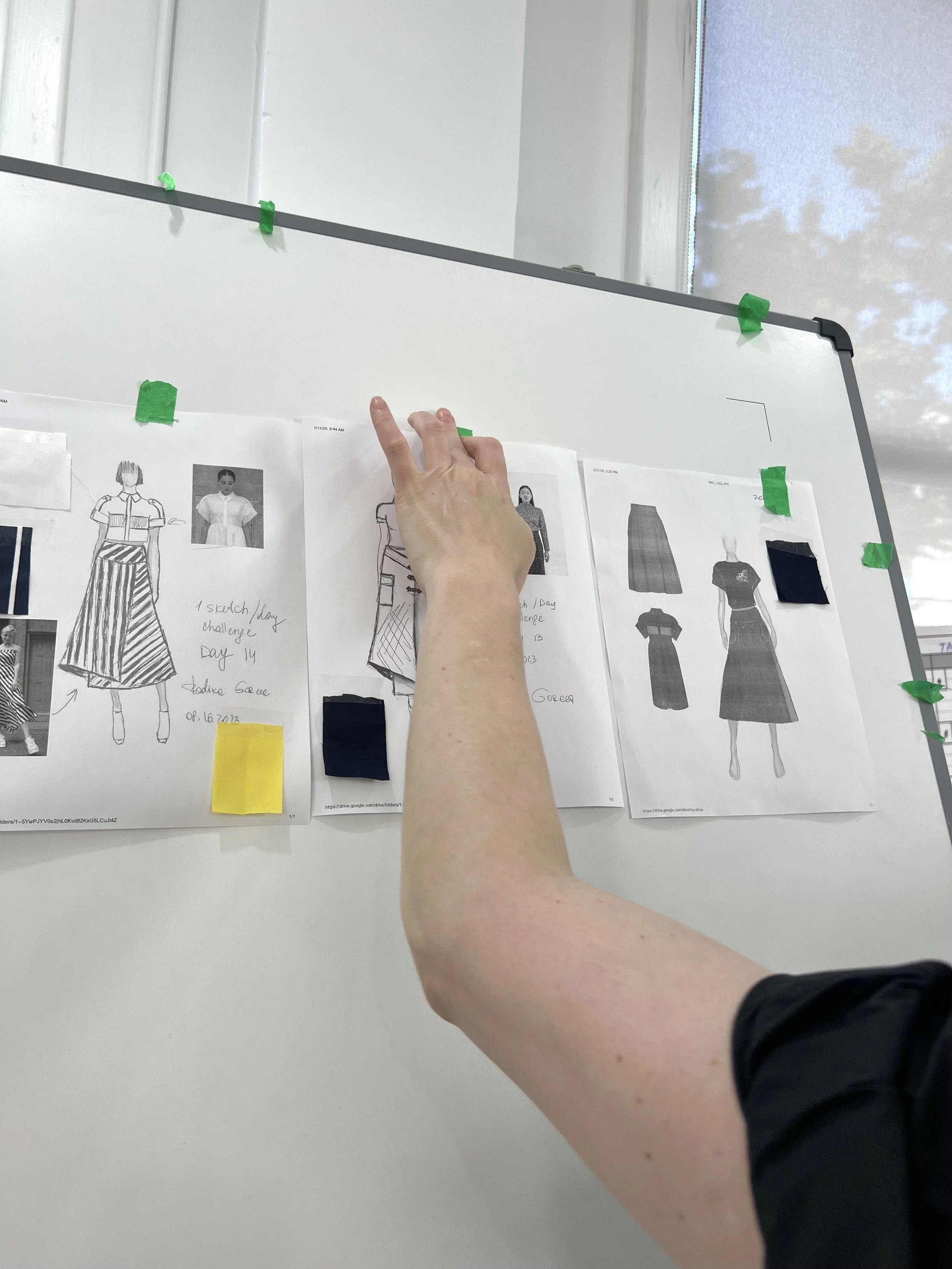
You also learn something even more important: discipline. Not every idea needs to be produced right now. Not every sketch needs to become a garment this season. Learning to say “not yet” to your own ideas is one of the most powerful skills you can develop as a designer.
Starting small also builds confidence, not the loud kind, but the quiet kind. The kind that comes from knowing your numbers. From understanding your process. From seeing real people wear your work and come back for more.
And if it doesn’t work? If you realize this industry, this pace, or this lifestyle isn’t for you, you’ll learn that with minimal damage. You’ll walk away wiser, not broken.
That’s not failure. That’s respect for your time, your energy, and your creative life.
Your ideas don’t disappear just because you don’t use them right away. They mature. They wait. They come back stronger when you’re ready. Starting small is not a limitation. It’s a foundation.
One strong product can carry a brand further than ten unfocused ones. One clear idea is more powerful than a crowded rack.
So take your time. Choose wisely. Do less, but do it better.
Your best work doesn’t come from doing everything at once, but from doing one thing with care, intention, and heart.
Start small.
Stay focused.
Grow smart.
Love,
Rodika